
The Hidden Problem Behind Low Sales Performance
Many businesses struggle with sales—not because they lack leads, but because they don’t manage them properly. Without a structured system in place, leads get lost, follow-ups are inconsistent, and potential deals fall through the cracks. This results in lower conversions, wasted marketing spend, and a poor return on investment (ROI).
The Cost of Poor Lead Tracking
When businesses lack a reliable lead tracking process, several issues arise:
- Lost Revenue: A potential customer expresses interest but doesn’t get a timely response. They choose a competitor instead.
- Wasted Marketing Spend: Money is spent generating leads, but without a follow-up plan, those leads go cold.
- Lower ROI: Sales teams waste time on low-priority leads while missing out on high-value prospects.
These challenges create inefficiencies, drain resources, and lead to missed opportunities. The solution? A well-organized lead tracking system that ensures every lead is handled consistently and efficiently.
Why Lead Tracking Is Critical for Business Growth
Lead tracking isn’t just about gathering contact information—it’s about managing your sales opportunities more intelligently. Here’s how it supports business growth:
- Higher Conversion Rates: Businesses that actively track and manage leads often experience significantly better results. For instance, one insurance company boosted its conversion rate by 180% after consolidating lead sources into a single platform.
- More Efficient Sales Teams: A structured lead flow helps sales reps focus on leads that are most likely to convert, instead of spending time on unqualified prospects.
- Smarter Decision-Making: Tracking how prospects interact with your business enables sales and marketing teams to adjust their strategies based on real customer behavior.
- Stronger Customer Relationships: Timely follow-ups and personalized outreach create a more engaging experience, increasing the chances of closing deals and retaining customers.
Every missed follow-up is a missed opportunity. Lead tracking ensures fewer of those.
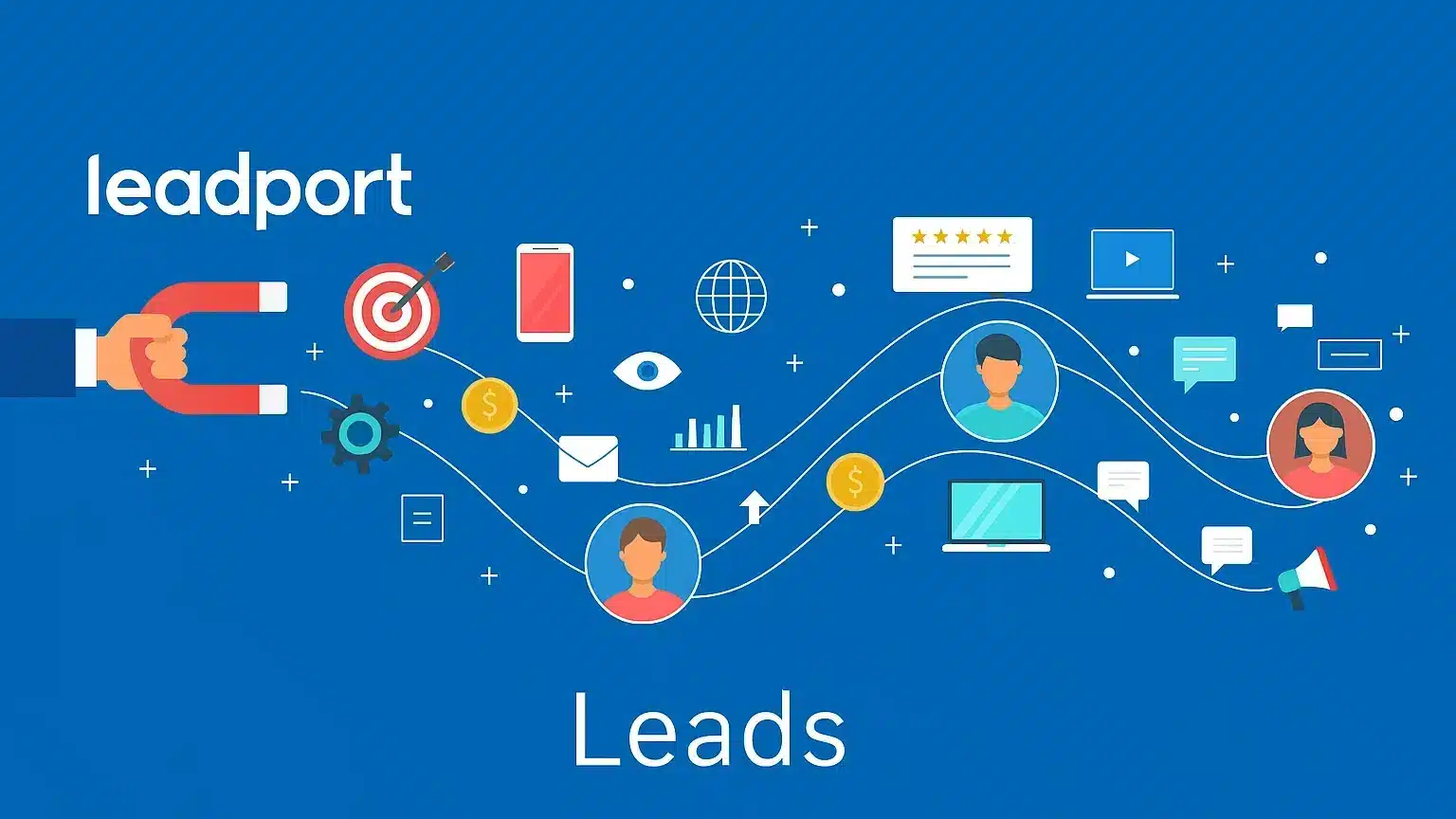
Essential Features of an Effective Lead Tracking System
To truly support your sales growth, a lead tracking system should include the following key features:
1. Lead Capture & Categorization
Managing leads manually can result in mistakes or delays. A good lead tracking tool should automatically collect leads from all your channels—website forms, social media, landing pages—and organize them in one place. This ensures that no lead is forgotten, and every new contact is categorized clearly based on source, interest, or status.
2. Lead Scoring
Not every lead is ready to buy. By assigning values to leads based on their engagement—such as visiting pricing pages, downloading content, or attending events—you can determine which prospects are most likely to convert. This allows your team to focus their energy where it matters most.
3. Call Summaries & Follow-Up Context
When a sales call happens, details shouldn’t be forgotten. Having access to clear call summaries helps reps remember key pain points, objections, and next steps—leading to better follow-ups and more relevant conversations. Businesses that use structured call tracking report up to 90% higher responsiveness to customer inquiries.
4. CRM Integration
An effective lead tracking system should work seamlessly with your existing CRM, call tools, and other sales platforms. This keeps your data in sync and makes it easier for teams to collaborate using the same, up-to-date information.
5. Clear Reporting and Sales Insights
The ability to analyze lead sources, conversion patterns, and drop-off points can significantly improve your sales strategy. Detailed reporting helps identify what’s working and what needs to change—helping you fine-tune your approach over time.
How to Implement Lead Tracking for Maximum Impact
Now that you understand the value of lead tracking, here’s how to apply it for real results:
Step 1: Capture Every Lead
Ensure your system collects leads from all your channels—your website, ads, events, social media, and more. A central dashboard helps keep everything organized and ensures no lead is forgotten.
Step 2: Score and Prioritize
Use clear rules to prioritize leads based on engagement signals. A lead who downloads a case study is far more likely to be interested than someone who just visits your homepage. Sorting leads in this way allows sales reps to focus on high-potential opportunities first.
Step 3: Set Timely Follow-Ups
Speed matters. Leads go cold quickly. Your system should make it easy to schedule and automate follow-up tasks, ensuring fast responses while keeping the sales process moving forward.
For example, if a visitor fills out a contact form, a sales rep should receive a task notification immediately. This quick action often makes the difference between a lost opportunity and a new customer.
Step 4: Track, Analyze, Improve
Lead tracking isn’t a “set it and forget it” solution. Review reports regularly to spot patterns and improve performance. Are you losing leads after the first contact? Are certain sources producing better quality prospects? These insights can help you refine your follow-up processes and lead sources for better outcomes.

Lead Tracking Is a Sales Superpower
Neglecting lead tracking costs businesses more than they realize—missed deals, frustrated teams, and a confusing sales pipeline. But when you implement a structured, easy-to-use lead tracking system, your sales team becomes faster, more focused, and more effective.
If you’re serious about increasing sales, it’s time to optimize your lead tracking strategy. Explore comprehensive lead tracking strategies and best practices at ActiveCampaign to enhance your sales process.
You’ll close more deals, create better customer experiences, and build a repeatable sales process that scales with your growth.
Take Control of Your Sales Pipeline
Lead tracking isn’t just another tool—it’s the foundation of a predictable, high-performing sales process. It helps you:
- Identify high-value prospects faster
- Respond to leads more effectively
- Avoid missed opportunities
- Make smarter, data-informed decisions
If you’re ready to stop losing leads and start closing more deals, it’s time to take your tracking strategy seriously.
For additional insights into enhancing your sales process, check out our guide on sales optimization strategies. Don’t let another opportunity slip through the cracks—ensure every lead gets the attention it deserves and watch your business grow!
Learn how Leadport helps businesses like yours convert more leads into sales with instant callbacks, call summaries, and seamless integrations. Visit www.leadport.ai to get started today.